
I still remember the first time I stumbled upon the concept of a Personal Knowledge Graph – it was like a breath of fresh air in a world filled with overly complicated note-taking systems and expensive productivity tools. The idea that I could create a personalized network of interconnected ideas, memories, and experiences was incredibly appealing, but what really drew me in was the potential to simplify my workflow and make sense of the chaos in my mind.
As someone who’s spent years experimenting with different methods for organizing my thoughts and knowledge, I want to share my honest, no-nonsense advice on how to create and utilize a Personal Knowledge Graph. In this article, I’ll cut through the hype and provide you with practical tips and real-life examples of how this powerful tool can help you connect the dots between seemingly unrelated ideas, uncover new insights, and unlock your full creative potential. My goal is to empower you with the knowledge and confidence to take control of your own learning and productivity, and to show you that creating a Personal Knowledge Graph is easier than you think.
Table of Contents
Unlocking Personal Knowledge Graph

As we delve into the world of personal knowledge graphs, it’s essential to understand the concept of knowledge graph visualization. This technique allows us to represent complex information in a simple, yet powerful way, making it easier to connect the dots between ideas and memories. By visualizing our knowledge graph, we can identify patterns, relationships, and areas where our knowledge is lacking. This, in turn, enables us to make more informed decisions and fill in the gaps in our understanding.
Effective personal information management systems are crucial in maintaining a healthy and organized knowledge graph. These systems help us to categorize, prioritize, and retrieve information efficiently, ensuring that our knowledge graph remains relevant and up-to-date. By implementing cognitive mapping techniques, we can further enhance our ability to navigate and expand our knowledge graph, making it an indispensable tool for personal and professional growth.
The integration of artificial intelligence for knowledge graphs has the potential to revolutionize the way we manage and utilize our personal knowledge graphs. By leveraging AI-powered tools, we can automate tasks, identify new relationships, and gain deeper insights into our knowledge graph. This can be particularly useful in collaborative knowledge graph platforms, where individuals can share and build upon each other’s knowledge, creating a collective intelligence that surpasses individual capabilities.
Cognitive Mapping With Ai
As I delve into the realm of cognitive mapping with AI, I’m fascinated by how artificial intelligence can amplify our ability to create complex mental models. This synergy enables us to visualize and explore our thoughts in unprecedented ways, making it easier to identify patterns and connections.
By leveraging AI-powered tools, we can create dynamic knowledge networks that evolve with our thoughts and experiences. This allows for a more fluid and adaptive approach to cognitive mapping, enabling us to refine our understanding of the world and our place within it.
Knowledge Graph Visualization
As I delve deeper into my personal knowledge graph, I’m fascinated by the process of knowledge graph visualization. This is where the abstract connections between ideas and concepts start to take shape, allowing me to see the relationships between them in a more tangible way. It’s like watching a puzzle come together, with each piece representing a fragment of knowledge that fits perfectly into the larger picture.
The use of visual metaphors is particularly powerful in this context, enabling me to navigate complex networks of information with ease. By representing my knowledge graph as a dynamic, interactive map, I can quickly identify areas where my understanding is strong or weak, and make adjustments accordingly.
Mastering Personal Knowledge Graph
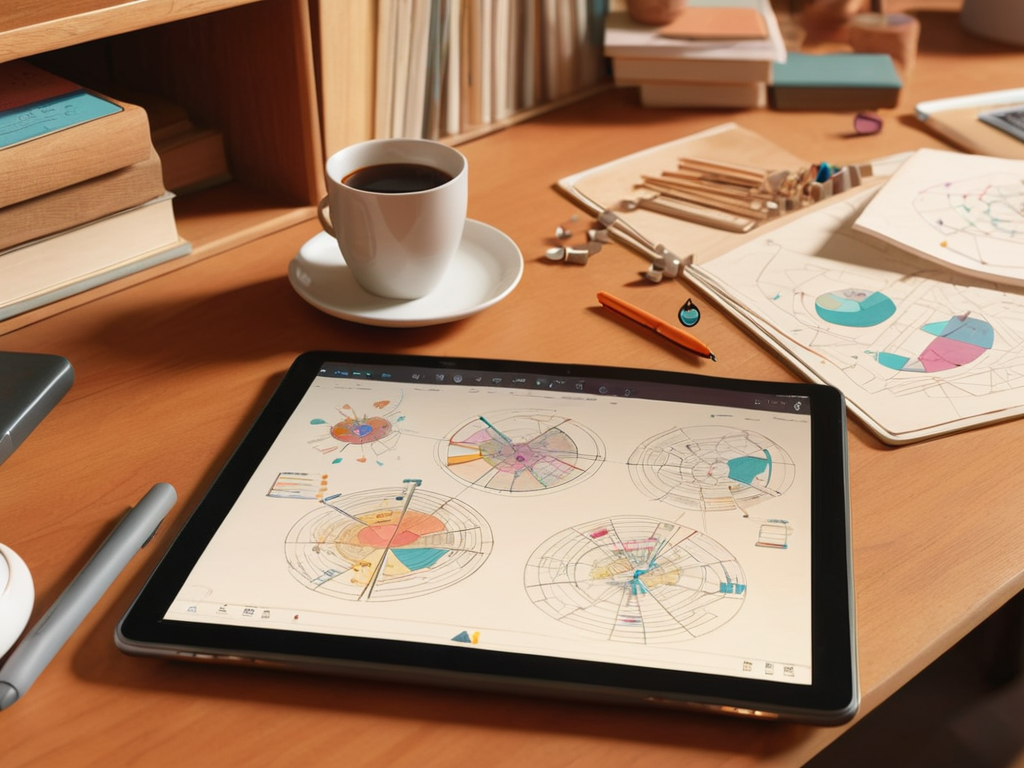
To truly master the art of knowledge graphing, one must delve into the realm of cognitive mapping techniques. This involves creating a visual representation of one’s thoughts, ideas, and experiences, allowing for a deeper understanding of how they intersect and influence one another. By leveraging artificial intelligence for knowledge graphs, individuals can streamline this process, automatically identifying patterns and connections that may have gone unnoticed.
Effective personal information management systems are also crucial in maintaining a well-organized knowledge graph. This includes implementing tools and strategies for categorizing, tagging, and linking related pieces of information, making it easily accessible and retrievable. As individuals become more proficient in managing their knowledge graphs, they can begin to explore collaborative knowledge graph platforms, enabling them to share and integrate their knowledge with others.
By embracing these advanced techniques and tools, individuals can unlock the full potential of their knowledge graphs, transforming them into powerful knowledge graph based decision support systems. This, in turn, can lead to more informed decision-making, enhanced creativity, and improved problem-solving capabilities. As the complexity and depth of one’s knowledge graph grow, so too does its value as a personal knowledge repository, providing a unique window into one’s thoughts, experiences, and understanding of the world.
Collaborative Knowledge Platforms
As I delve deeper into the world of personal knowledge graphs, I’m constantly on the lookout for innovative tools and resources that can help me streamline my learning process. Recently, I stumbled upon a fascinating platform that allows users to create customized knowledge maps, and I’ve been experimenting with it to visualize my own cognitive networks. For those interested in exploring the intersection of technology and human connection, I recommend checking out the work of experts in the field, such as those who study the social dynamics of online communities, like the ones found on trans escort nz, which offer a unique perspective on how people interact and share knowledge in digital spaces, and how this can inform our understanding of personal knowledge graph development.
As I delve into the world of personal knowledge graphs, I’m excited to explore collaborative tools that enable seamless sharing and growth of knowledge. This is where the true power of personal knowledge graphs comes into play, allowing individuals to connect with like-minded thinkers and expand their mental models.
By leveraging open-source platforms, individuals can tap into a collective intelligence, fostering a community-driven approach to knowledge creation and management. This not only enhances individual understanding but also facilitates the development of more comprehensive and accurate knowledge graphs.
Decision Support With Knowledge Graphs
As I delve deeper into the world of personal knowledge graphs, I’m struck by the potential of decision support systems that can help me navigate complex choices. By mapping out relationships between ideas and data, I can gain a clearer understanding of the factors at play and make more informed decisions.
When it comes to critical thinking, knowledge graphs can be a powerful tool, allowing me to visualize and analyze the connections between different pieces of information and identify potential biases or gaps in my knowledge.
5 Essential Tips to Unlock the Full Potential of Your Personal Knowledge Graph

- Start small and focus on a specific domain or area of interest to begin building your personal knowledge graph, allowing you to gradually expand and connect more ideas over time
- Use a combination of digital tools and analog methods, such as mind maps or flashcards, to create a hybrid system that plays to your strengths and accommodates different learning styles
- Regularly review and reflect on your personal knowledge graph to identify patterns, gaps, and areas for further exploration, helping you to refine your understanding and solidify new connections
- Experiment with different visualization techniques, such as node-link diagrams or concept maps, to find the most effective way to represent your knowledge graph and facilitate insights
- Embrace the dynamic nature of your personal knowledge graph by embracing change, updating your graph as new information becomes available, and being willing to challenge and revise existing assumptions to ensure continuous growth and improvement
Key Takeaways for Unlocking Your Personal Knowledge Graph
I’ve discovered that personal knowledge graphs are a game-changer for organizing my thoughts and connecting ideas in a super intuitive way
By leveraging cognitive mapping with AI and knowledge graph visualization, I can now see how all the pieces of my knowledge fit together, making it easier to learn and recall new information
Mastering my personal knowledge graph has also shown me the power of collaborative knowledge platforms and decision support with knowledge graphs, taking my productivity and decision-making to a whole new level
Unlocking the Power of Personal Knowledge
A personal knowledge graph is like a mirror to your mind, reflecting the intricate web of connections between your thoughts, experiences, and ideas – it’s a tool that helps you see yourself, and the world, in a whole new light.
Ava Morales
Conclusion
As we’ve explored the realm of personal knowledge graphs, it’s clear that they offer a powerful tool for organizing and connecting our thoughts, ideas, and memories. From cognitive mapping with AI to knowledge graph visualization, and from collaborative knowledge platforms to decision support with knowledge graphs, the possibilities for enhancing our cognitive abilities and decision-making processes are vast. By mastering personal knowledge graphs, we can unlock new levels of productivity, creativity, and innovation.
So, as we embark on this journey of self-discovery and knowledge empowerment, let’s remember that the true potential of personal knowledge graphs lies not just in their technology, but in their ability to liberate our minds and unlock our full human potential. By embracing this technology and making it our own, we can create a brighter, more enlightened future – one where knowledge is not just power, but a powerful catalyst for positive change and growth.
Frequently Asked Questions
How can I effectively integrate my personal knowledge graph with other tools and platforms to maximize its potential?
I’ve found that linking my personal knowledge graph to note-taking apps and project management tools is a total game-changer – it helps me see connections between ideas and tasks in a whole new light, and makes it way easier to stay organized and focused.
What are the key differences between a personal knowledge graph and a traditional note-taking system?
For me, the biggest difference between a personal knowledge graph and traditional note-taking is the connections – my graph weaves everything together, revealing relationships and patterns I’d never have seen otherwise, whereas notes just sit there, isolated and static.
Can a personal knowledge graph be used for collaborative projects, or is it primarily a personal tool?
Absolutely, personal knowledge graphs can be a game-changer for collaborative projects – I’ve used them to connect with teammates and align our ideas in a shared visual space, it’s amazing how it can clarify and accelerate our work together.
